Buy escrouen.eu ?
We are moving the project
escrouen.eu .
Are you interested in purchasing the domain
escrouen.eu ?
domain@kv-gmbh.de · 0541-91531010
Buy escrouen.eu ?
How do Amano shrimps reproduce?
Amano shrimps reproduce through a process called sexual reproduction. The female shrimp will carry fertilized eggs underneath her abdomen until they hatch into larvae. The larvae will then go through several stages of development before becoming fully grown shrimps. In order to successfully breed Amano shrimps in a home aquarium, it is important to provide them with the right water conditions and a suitable environment for the larvae to develop. **
Is the amano shrimp pregnant?
Amano shrimp do not get pregnant in the traditional sense like mammals do. Instead, female amano shrimp will carry eggs under their abdomen until they hatch into larvae. This process is known as "berried" when the female shrimp is carrying eggs. If you see a female amano shrimp with a noticeable cluster of eggs under her abdomen, she is considered berried and will eventually release the larvae into the water. **

Similar search terms for Amano
Top-Angebote
Products related to Amano:

-
Do Amano shrimp lay eggs?
Yes, Amano shrimp do lay eggs. The female Amano shrimp will carry the eggs under her abdomen until they hatch, which usually takes around 4-6 weeks. Once the eggs hatch, the baby shrimp will be released into the water and will need to find their own food to survive. Amano shrimp are known for being good breeders in a well-maintained aquarium environment. **
-
Have the Amano shrimps disappeared?
It is possible that the Amano shrimps have disappeared from their tank due to a variety of reasons. They may have been eaten by other tank inhabitants, died from illness or stress, or simply hidden themselves in the tank's decor. It is important to thoroughly search the tank and observe the behavior of other tank inhabitants to determine the fate of the Amano shrimps. Additionally, checking water parameters and ensuring proper tank conditions can help prevent future disappearances. **
-
How do I feed Amano shrimp?
Amano shrimp are omnivores and will eat a variety of foods including algae, biofilm, and leftover fish food. You can feed them specifically with algae wafers, blanched vegetables like zucchini or spinach, and commercial shrimp pellets. It's important to provide a balanced diet and not overfeed them to maintain good water quality. Offer small amounts of food once or twice a day, and remove any uneaten food after a few hours to prevent water contamination. **
-
Is this even an Amano shrimp?
Without a clear image or description of the shrimp in question, it is difficult to definitively determine if it is an Amano shrimp. Amano shrimp are typically transparent with a brown or greenish coloration and have a distinctive striped pattern on their bodies. They are also known for their algae-eating behavior and are commonly used in aquariums for this purpose. If you are unsure about the identity of your shrimp, it may be helpful to consult with a knowledgeable aquarium hobbyist or a professional in the field. **
Which leaves are suitable for Amano shrimp?
Amano shrimp are known to be excellent algae eaters, so they require a diet rich in plant matter. Therefore, they will benefit from leaves that are high in fiber and nutrients. Some suitable leaves for Amano shrimp include Indian almond leaves, mulberry leaves, and guava leaves. These leaves not only provide essential nutrients for the shrimp but also release tannins that can help create a natural environment similar to their native habitat. **
Are adult Amano shrimp predatory by nature?
No, adult Amano shrimp are not predatory by nature. They are primarily herbivorous and feed on algae, biofilm, and decaying plant matter. They are known for their ability to clean and maintain aquariums by consuming unwanted algae, making them popular choices for freshwater aquariums. However, they may occasionally scavenge on small, weak, or injured tank mates, but this behavior is not considered predatory in nature. **
Top-Angebote
Products related to Amano:
-
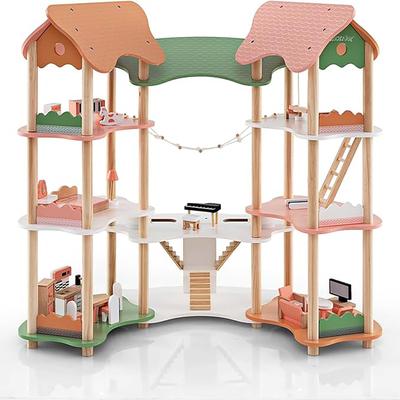
Kids Wooden Dollhouse Aged 3-8 w/ 32PCS Furniture AccessoriesGift your kids an enchanting world with our doll house! Featuring 3 tiers and 7 rooms, our doll house playset turns any nook of your child's room into a whimsical haven of delight.162,99 $*Shipping: 0,00 $Secure redirect to the provider
-
Jla Home/Furniture & Decor Faye Ginkgo Leaves Wall Art Gold , GoldThe Faye Ginkgo Wall Art decorates with a delicate look of luxury. Made of metal, this wall sculpture, by Martha Stewart, features six ginkgo leaves with a gold foil finish. Measures 43 Wx2 Dx24 H. Metal wall art by Martha Stewart Features elegant...76,99 $*Shipping: 0,00 $Secure redirect to the provider
-
How do Amano shrimps reproduce?
Amano shrimps reproduce through a process called sexual reproduction. The female shrimp will carry fertilized eggs underneath her abdomen until they hatch into larvae. The larvae will then go through several stages of development before becoming fully grown shrimps. In order to successfully breed Amano shrimps in a home aquarium, it is important to provide them with the right water conditions and a suitable environment for the larvae to develop. **
-
Is the amano shrimp pregnant?
Amano shrimp do not get pregnant in the traditional sense like mammals do. Instead, female amano shrimp will carry eggs under their abdomen until they hatch into larvae. This process is known as "berried" when the female shrimp is carrying eggs. If you see a female amano shrimp with a noticeable cluster of eggs under her abdomen, she is considered berried and will eventually release the larvae into the water. **
-
Do Amano shrimp lay eggs?
Yes, Amano shrimp do lay eggs. The female Amano shrimp will carry the eggs under her abdomen until they hatch, which usually takes around 4-6 weeks. Once the eggs hatch, the baby shrimp will be released into the water and will need to find their own food to survive. Amano shrimp are known for being good breeders in a well-maintained aquarium environment. **
-
Have the Amano shrimps disappeared?
It is possible that the Amano shrimps have disappeared from their tank due to a variety of reasons. They may have been eaten by other tank inhabitants, died from illness or stress, or simply hidden themselves in the tank's decor. It is important to thoroughly search the tank and observe the behavior of other tank inhabitants to determine the fate of the Amano shrimps. Additionally, checking water parameters and ensuring proper tank conditions can help prevent future disappearances. **
Similar search terms for Amano
-
How do I feed Amano shrimp?
Amano shrimp are omnivores and will eat a variety of foods including algae, biofilm, and leftover fish food. You can feed them specifically with algae wafers, blanched vegetables like zucchini or spinach, and commercial shrimp pellets. It's important to provide a balanced diet and not overfeed them to maintain good water quality. Offer small amounts of food once or twice a day, and remove any uneaten food after a few hours to prevent water contamination. **
-
Is this even an Amano shrimp?
Without a clear image or description of the shrimp in question, it is difficult to definitively determine if it is an Amano shrimp. Amano shrimp are typically transparent with a brown or greenish coloration and have a distinctive striped pattern on their bodies. They are also known for their algae-eating behavior and are commonly used in aquariums for this purpose. If you are unsure about the identity of your shrimp, it may be helpful to consult with a knowledgeable aquarium hobbyist or a professional in the field. **
-
Which leaves are suitable for Amano shrimp?
Amano shrimp are known to be excellent algae eaters, so they require a diet rich in plant matter. Therefore, they will benefit from leaves that are high in fiber and nutrients. Some suitable leaves for Amano shrimp include Indian almond leaves, mulberry leaves, and guava leaves. These leaves not only provide essential nutrients for the shrimp but also release tannins that can help create a natural environment similar to their native habitat. **
-
Are adult Amano shrimp predatory by nature?
No, adult Amano shrimp are not predatory by nature. They are primarily herbivorous and feed on algae, biofilm, and decaying plant matter. They are known for their ability to clean and maintain aquariums by consuming unwanted algae, making them popular choices for freshwater aquariums. However, they may occasionally scavenge on small, weak, or injured tank mates, but this behavior is not considered predatory in nature. **
* All prices are inclusive of VAT and, if applicable, plus shipping costs. The offer information is based on the details provided by the respective shop and is updated through automated processes. Real-time updates do not occur, so deviations can occur in individual cases. ** Note: Parts of this content were created by AI.