Buy escrouen.eu ?
We are moving the project
escrouen.eu .
Are you interested in purchasing the domain
escrouen.eu ?
domain@kv-gmbh.de · 0541-91531010
Buy escrouen.eu ?
Which year and what price does the ceramic vase have?
The ceramic vase was made in 1885 and is priced at $2,500. **
Does anyone know anything about the mark on the ceramic vase?
Yes, the mark on the ceramic vase is a signature from the artist who created it. It is often used to identify the maker of the piece and can provide valuable information about its origin and age. By researching the mark, one can potentially uncover details about the artist's style, the time period in which it was made, and its value in the art market. **
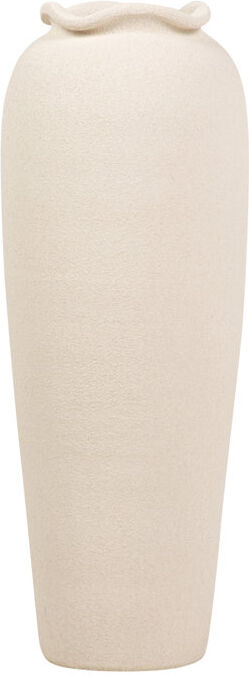
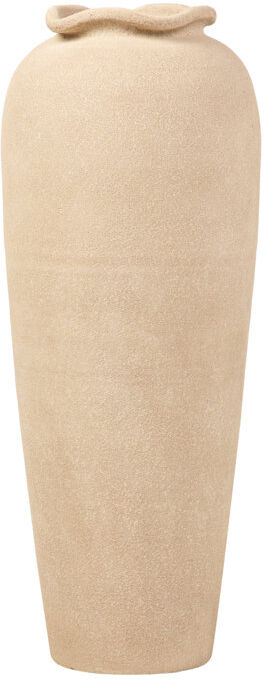
Similar search terms for Bloomsbury-Market-CERAMIC-VASE
Top-Angebote
Products related to Bloomsbury-Market-CERAMIC-VASE:
-
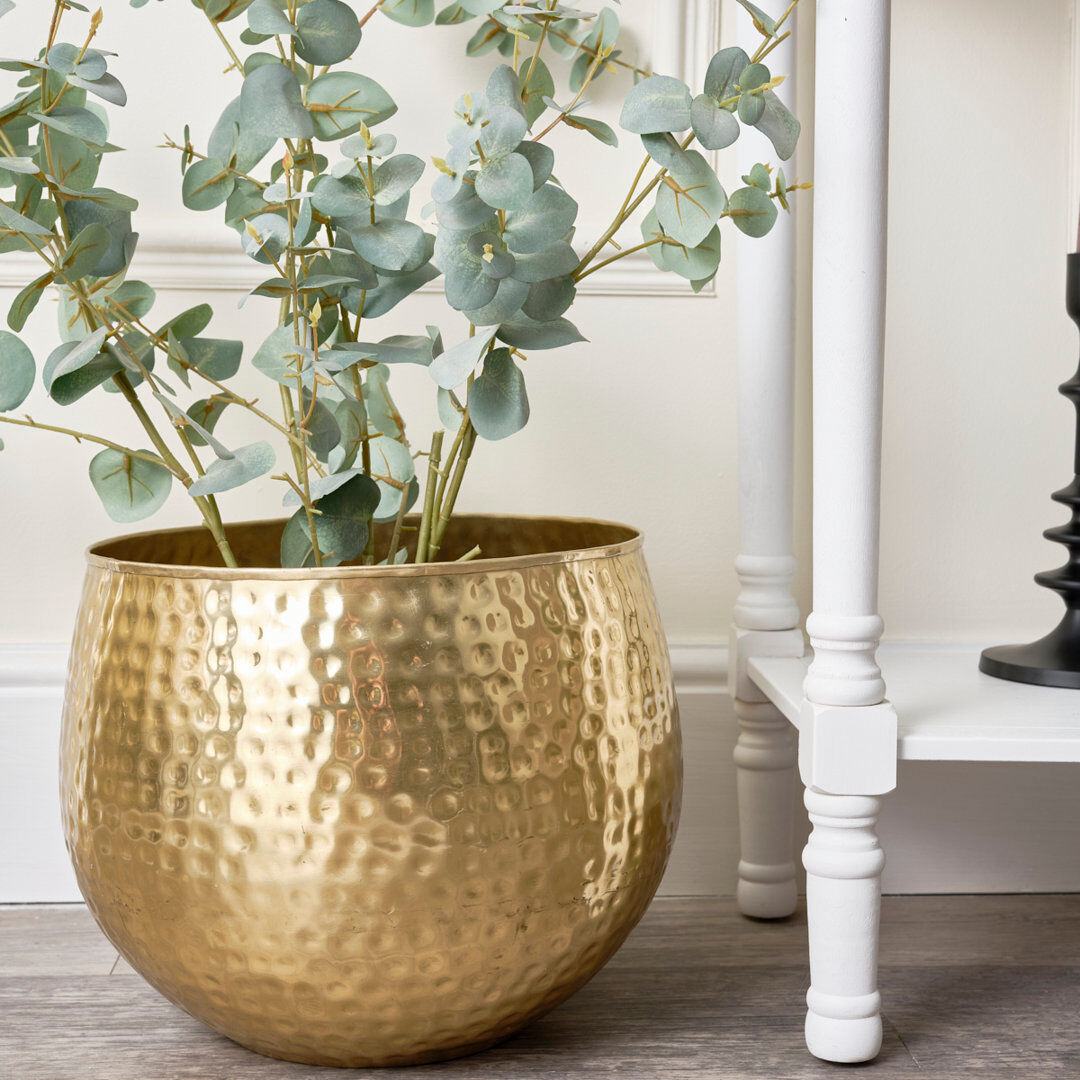
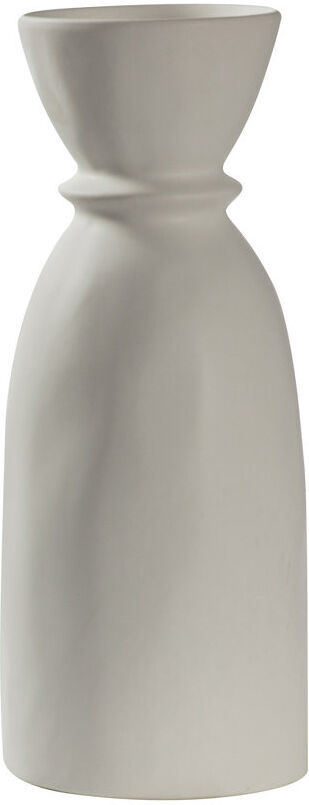
Bloomsbury Market Santa Copper Table Vase GoldThis medium gold hammered metal planter is the perfect choice for a luxe themed home decor. Made from metal with a textured hammered effect and finished in a beautiful high shine gold. A fantastic way to add a touch of luxury and glam styling to any interior, a great way to display plants and flowers in the living room, hallway or office. A great gift idea for anyone that loves glam styling and gold decor. Available in more sizes. Bloomsbury Market50,99 £*Shipping: 4,99 £Secure redirect to the provider

-
Does anyone know anything about the bottom mark on the ceramic vase?
The bottom mark on a ceramic vase can often provide information about its origin, maker, or time period. It may include a manufacturer's mark, artist's signature, or a symbol that can be researched to determine its significance. To learn more about the specific bottom mark on the ceramic vase in question, it would be helpful to consult a collector's guide, art historian, or appraiser who specializes in ceramics. **
-
How is ceramic art cleaned?
Ceramic art is typically cleaned using a soft, dry cloth to gently wipe away dust and dirt. For more stubborn stains, a mild soap and water solution can be used with a soft brush to gently scrub the surface. It is important to avoid harsh chemicals or abrasive materials that could damage the delicate surface of the ceramic art piece. Additionally, it is recommended to avoid submerging ceramic art in water, as this can weaken the structure of the piece. **
-
What is rare: a birdcage from the US Zone in Germany or an antique ceramic vase?
A birdcage from the US Zone in Germany would be considered rarer than an antique ceramic vase. The birdcage from the US Zone in Germany is likely to have historical significance and limited availability due to its specific origin and time period. On the other hand, antique ceramic vases are more common and can be found in various styles and origins, making them less rare in comparison. **
-
'Vase or glass?'
It depends on the context and purpose. A vase is typically used for holding flowers or decorative branches, while a glass is used for drinking liquids. If the question is about which one to use for a specific purpose, then the answer would depend on whether the intention is to display flowers or to serve a beverage. Both have their own unique functions and can be chosen based on the specific need at hand. **
Who knows this vase?
The person who knows this vase is likely the owner or someone who has a personal connection to it. It could also be someone who has studied or researched the vase, such as an art historian or a museum curator. Additionally, the artist or creator of the vase would also have knowledge of it. **
Who made this vase?
This vase was made by an ancient Greek potter and artist. It is an example of Greek pottery from the 5th century BC, known for its intricate designs and skilled craftsmanship. The artist's name is not known, as pottery from this time period was typically not signed or attributed to specific individuals. However, it is likely that the vase was made in a workshop where multiple artists and potters collaborated on creating such pieces. **
Top-Angebote
Products related to Bloomsbury-Market-CERAMIC-VASE:
-
Bloomsbury Market Santa Copper Table Vase GoldThis medium gold hammered metal planter is the perfect choice for a luxe themed home decor. Made from metal with a textured hammered effect and finished in a beautiful high shine gold. A fantastic way to add a touch of luxury and glam styling to any interior, a great way to display plants and flowers in the living room, hallway or office. A great gift idea for anyone that loves glam styling and gold decor. Available in more sizes. Bloomsbury Market50,99 £*Shipping: 4,99 £Secure redirect to the provider
-
Which year and what price does the ceramic vase have?
The ceramic vase was made in 1885 and is priced at $2,500. **
-
Does anyone know anything about the mark on the ceramic vase?
Yes, the mark on the ceramic vase is a signature from the artist who created it. It is often used to identify the maker of the piece and can provide valuable information about its origin and age. By researching the mark, one can potentially uncover details about the artist's style, the time period in which it was made, and its value in the art market. **
-
Does anyone know anything about the bottom mark on the ceramic vase?
The bottom mark on a ceramic vase can often provide information about its origin, maker, or time period. It may include a manufacturer's mark, artist's signature, or a symbol that can be researched to determine its significance. To learn more about the specific bottom mark on the ceramic vase in question, it would be helpful to consult a collector's guide, art historian, or appraiser who specializes in ceramics. **
-
How is ceramic art cleaned?
Ceramic art is typically cleaned using a soft, dry cloth to gently wipe away dust and dirt. For more stubborn stains, a mild soap and water solution can be used with a soft brush to gently scrub the surface. It is important to avoid harsh chemicals or abrasive materials that could damage the delicate surface of the ceramic art piece. Additionally, it is recommended to avoid submerging ceramic art in water, as this can weaken the structure of the piece. **
Similar search terms for Bloomsbury-Market-CERAMIC-VASE
-
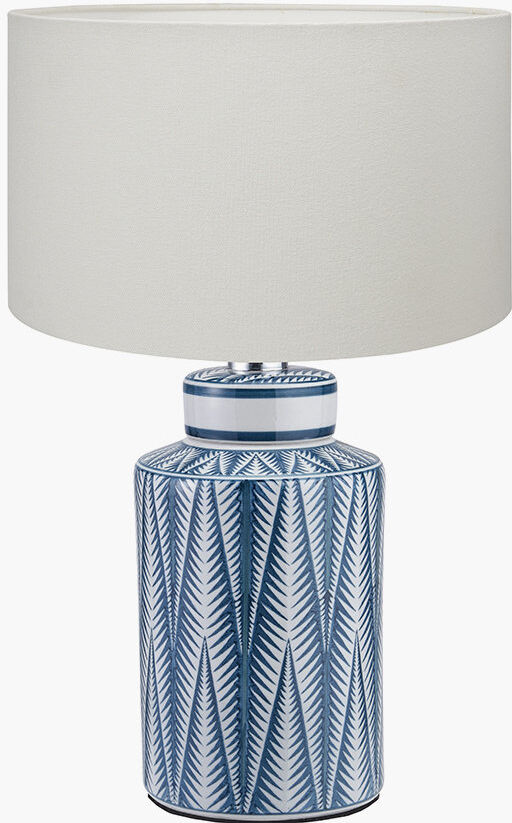
Bloomsbury Market Ceramic Table Lamp Blue 19.68" H x 11.81" W x 11.81" DThe Samara Table Lamp brings a bold splash of pattern and colour to interiors, blending artisan‑inspired ceramic detail with soft, ambient lighting. The base is crafted from ceramic and finished with a blue‑and‑white Aztec‑pattern motif — a geometric glaze that draws the eye and gives a vibrant, textured statement even when unlit. Perched atop is a 30 cm “Henry” white hand‑loom cylinder shade, whose clean weave gently diffuses light to create a warm, welcoming glow — ideal for living rooms, bedrooms, hallways or reading nooks. With compact proportions and striking design, the lamp works equally well as a focal accent or as part of a coordinated lighting scheme. It ships fully assembled and operates with a standard E27/ES bulb (10–12 W LED recommended), offering a hassle‑free way to add colour, pattern and soft illumination to your space. Bloomsbury Market Shade Material: Cotton, Size: 19.68" H x 11.81" W x 11.81" D98,99 £*Shipping: 0,00 £Secure redirect to the provider
-
What is rare: a birdcage from the US Zone in Germany or an antique ceramic vase?
A birdcage from the US Zone in Germany would be considered rarer than an antique ceramic vase. The birdcage from the US Zone in Germany is likely to have historical significance and limited availability due to its specific origin and time period. On the other hand, antique ceramic vases are more common and can be found in various styles and origins, making them less rare in comparison. **
-
'Vase or glass?'
It depends on the context and purpose. A vase is typically used for holding flowers or decorative branches, while a glass is used for drinking liquids. If the question is about which one to use for a specific purpose, then the answer would depend on whether the intention is to display flowers or to serve a beverage. Both have their own unique functions and can be chosen based on the specific need at hand. **
-
Who knows this vase?
The person who knows this vase is likely the owner or someone who has a personal connection to it. It could also be someone who has studied or researched the vase, such as an art historian or a museum curator. Additionally, the artist or creator of the vase would also have knowledge of it. **
-
Who made this vase?
This vase was made by an ancient Greek potter and artist. It is an example of Greek pottery from the 5th century BC, known for its intricate designs and skilled craftsmanship. The artist's name is not known, as pottery from this time period was typically not signed or attributed to specific individuals. However, it is likely that the vase was made in a workshop where multiple artists and potters collaborated on creating such pieces. **
* All prices are inclusive of VAT and, if applicable, plus shipping costs. The offer information is based on the details provided by the respective shop and is updated through automated processes. Real-time updates do not occur, so deviations can occur in individual cases. ** Note: Parts of this content were created by AI.