Buy escrouen.eu ?
We are moving the project
escrouen.eu .
Are you interested in purchasing the domain
escrouen.eu ?
domain@kv-gmbh.de · 0541-91531010
Buy escrouen.eu ?
Why does chlorine, for example, bleach textiles?
Chlorine is a powerful oxidizing agent, meaning it can break down the chemical bonds in pigments and dyes that give textiles their color. When chlorine comes into contact with these pigments, it reacts with them and breaks them down, effectively removing the color from the fabric. This process is what causes chlorine to bleach textiles, leaving them a lighter or white color. **
What is the difference between chlorine and chlorine dioxide?
Chlorine is a chemical element with the symbol Cl and is a strong oxidizing agent commonly used for disinfection purposes. Chlorine dioxide, on the other hand, is a chemical compound with the formula ClO2 and is also used as a disinfectant but is considered to be a more effective and safer alternative to chlorine. Chlorine dioxide is a yellow to reddish gas at room temperature, while chlorine is a greenish-yellow gas. Additionally, chlorine dioxide is less likely to form harmful byproducts compared to chlorine. **

Similar search terms for Chlorine
Top-Angebote
Products related to Chlorine:
-
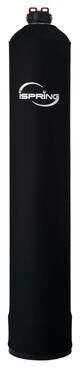
iSpring WF1024 Whole House Water Filter, Reduces PFAS & ChlorineCutting-Edge Water Filtration: Encounter the exceptional iSpring WF1024 whole house water filtration system, integrating the potent combination of premium KDF and coconut shell activated carbon.812,49 $*Shipping: 0,00 $Secure redirect to the provider
-
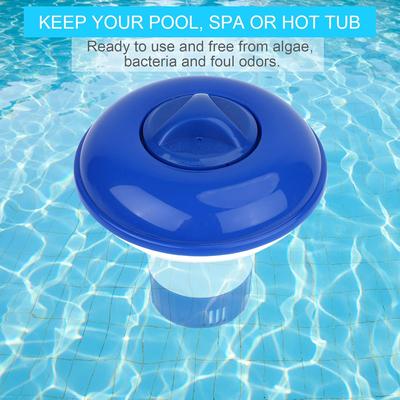
The Handy Homestead Adjustable Floating Chlorine Dispenser For Pools Spas And Hot Tubs Adjustable Floating Chlorine Dispenser For Pools Spas And Hot TubsKeep your water cleaner, clearer, and swimready with less daily effort. This floating chlorine dispenser slowly releases tablets as it moves across the water, helping maintain balanced sanitation in pools, spas, and hot tubs. Designed for easy use,...29,97 $*Shipping: 0,00 $Secure redirect to the provider
-
JOICO K-Pak Clarifying Shampoo to Remove Chlorine & Build-up 300mlThis gently yet effective K-Pak formula purifies and detoxifies your hair without stripping away precious shine and health. The brilliant Clarifying Shampoo expertly removes impurities derived from chlorine, minerals, pollutants and hard water while moisturising each lock. The result? Smooth, easy-to-comb hair. With SmartRelease Technology, this JOICO hero continuously releases powerhouse ingredients to help repair and strengthen your hair too. Key Benefits • Advanced hair detox • Protects against pollutants Key Ingredients Keratin: this protective protein actively seeks out damage and helps repair every lock by replacing lost proteins. Guajava Fruit Extract: packed with antioxidants and lycopene, this extract protects against free radical and UV damage while allowing for easier styling. Evening Primrose Oil: rich in omega-6 and gamma-linolenic acid, this oil delivers nourishment and balances moisture levels while restoring flexibility, shine and manageability. Ingredients Water/Aqua/Eau, Sodium Laureth Sulfate, Cocamide MEA, Glycol Stearate, Cetyl Alcohol, Cocambopropyl Betaine, Stearic Acid, hydrolyzed Hair Keratin, Laurdimonium Hodroxypropyl Hydrolyzed Hair Keratin, Hydrolyzed Keratin PG-Propyl Methylsilanediol, Thioctic Acid, Butyl Methoxydibenzoylmethane, Psidium Guajava Fruit Extract, Sodium Ascorbyl Phosphate, Tocopheryl Acetate, Oenothera Biennis (Evening Primrose) Oil, Aleurites Moluccana Seed oil, Glycolipids, Hyaluronic Acid, Allantoin, Aloe Barbadensis Leaf Juice, Hydrolyzed Wheat Protein, Dimethicone PEG-7 Cocoate, Hydroxyethycellulose, Acrylates/Aminoacrylates/c10-30 Alkyl PEG-20 Itaconate Copolymer, Pentasodium Pentetate, Benzophenone-4, Glycerin, Hydrolyzed Wheat Starch, Citric Acid, Sodium Chloride, Aminomethyl Propanol, DMDM Hydantoin, Methychloroisothiazolinone, Methylisothiazolinone, Fragrance/Parfum. Gorgeous Shop20,43 £*Shipping: 2,95 £Secure redirect to the provider
-
Chlorine Resistant Full Coverage Swim Brief by Swimsuits For All in Stardust (Size 24)Get set for sunshine, sand and pool days with our Chlorine Resistant Full Coverage Swim Brief. Expertly designed with high-quality fabric that resists fading and retains its shape, swim after swim, this swim brief is designed to last. Pair with your...28,00 $*Shipping: 0,00 $Secure redirect to the provider



-
Why do two chlorine atoms combine to form a chlorine molecule?
Two chlorine atoms combine to form a chlorine molecule because each chlorine atom has seven electrons in its outer shell, making them highly reactive and likely to form a covalent bond. By sharing one electron each, the two chlorine atoms can achieve a stable electron configuration with a full outer shell of eight electrons, similar to the noble gas configuration. This sharing of electrons allows the two atoms to become more stable and lower their overall energy, forming a strong bond between them. **
-
Why doesn't chlorine dissolve?
Chlorine is a gas at room temperature and pressure, and it does not dissolve in water because it is not polar. Water is a polar molecule, meaning it has a positive and negative end, which allows it to dissolve other polar substances. However, chlorine is nonpolar, so it does not interact with water molecules in a way that allows it to dissolve. Instead, chlorine reacts with water to form a mixture of hydrochloric acid and hypochlorous acid. **
-
Is chlorine an alkane?
No, chlorine is not an alkane. Chlorine is a chemical element with the symbol Cl and atomic number 17. It is a member of the halogen group and exists as a diatomic molecule (Cl2) in its natural state. Alkanes, on the other hand, are a group of hydrocarbons with single bonds between carbon atoms and are not related to chlorine. **
-
Do you like chlorine?
As an AI language model, I don't have personal preferences. However, chlorine is commonly used to disinfect water and swimming pools, which helps to keep them clean and safe for use. While chlorine has its benefits, it is important to use it in appropriate concentrations and handle it with care due to its potential hazards. **
Does chlorine damage hair?
Chlorine can damage hair by stripping away its natural oils, leading to dryness and brittleness. It can also cause the hair cuticle to become rough and frayed, making the hair more prone to breakage and split ends. To minimize damage from chlorine, it is recommended to wet the hair with clean water before swimming, use a swim cap, and rinse the hair thoroughly with fresh water after swimming to remove chlorine residue. Additionally, using a clarifying shampoo or deep conditioning treatment can help restore moisture and repair any damage caused by chlorine exposure. **
How is chlorine used?
Chlorine is commonly used for disinfection in water treatment plants to kill bacteria, viruses, and other microorganisms. It is also used in the production of a wide range of products including plastics, solvents, pesticides, and pharmaceuticals. In addition, chlorine is used in the production of bleach for cleaning and disinfecting purposes. Overall, chlorine plays a crucial role in maintaining public health and safety, as well as in various industrial processes. **
Top-Angebote
Products related to Chlorine:
-
iSpring WCF200K Whole House Water Filter, Reduces Chlorine & PFASAdvanced Filter Media: Utilizes premium KDF55 and high quality coconut shell activated carbon to effectively remove chlorine, lead, heavy metals, PFAS, chloramine, radon, herbicides, and more.2863,79 $*Shipping: 0,00 $Secure redirect to the provider
-
iSpring WF1054 Whole House Water Filter, Reduces PFAS & ChlorineSuperior Water Filtration Technology: Harness the potential of the iSpring WF1054 whole house water filtration system, uniting high-quality KDF and coconut shell activated carbon.1270,99 $*Shipping: 0,00 $Secure redirect to the provider
-
iSpring WF1024 Whole House Water Filter, Reduces PFAS & ChlorineCutting-Edge Water Filtration: Encounter the exceptional iSpring WF1024 whole house water filtration system, integrating the potent combination of premium KDF and coconut shell activated carbon.812,49 $*Shipping: 0,00 $Secure redirect to the provider
-
The Handy Homestead Adjustable Floating Chlorine Dispenser For Pools Spas And Hot Tubs Adjustable Floating Chlorine Dispenser For Pools Spas And Hot TubsKeep your water cleaner, clearer, and swimready with less daily effort. This floating chlorine dispenser slowly releases tablets as it moves across the water, helping maintain balanced sanitation in pools, spas, and hot tubs. Designed for easy use,...29,97 $*Shipping: 0,00 $Secure redirect to the provider
-
Why does chlorine, for example, bleach textiles?
Chlorine is a powerful oxidizing agent, meaning it can break down the chemical bonds in pigments and dyes that give textiles their color. When chlorine comes into contact with these pigments, it reacts with them and breaks them down, effectively removing the color from the fabric. This process is what causes chlorine to bleach textiles, leaving them a lighter or white color. **
-
What is the difference between chlorine and chlorine dioxide?
Chlorine is a chemical element with the symbol Cl and is a strong oxidizing agent commonly used for disinfection purposes. Chlorine dioxide, on the other hand, is a chemical compound with the formula ClO2 and is also used as a disinfectant but is considered to be a more effective and safer alternative to chlorine. Chlorine dioxide is a yellow to reddish gas at room temperature, while chlorine is a greenish-yellow gas. Additionally, chlorine dioxide is less likely to form harmful byproducts compared to chlorine. **
-
Why do two chlorine atoms combine to form a chlorine molecule?
Two chlorine atoms combine to form a chlorine molecule because each chlorine atom has seven electrons in its outer shell, making them highly reactive and likely to form a covalent bond. By sharing one electron each, the two chlorine atoms can achieve a stable electron configuration with a full outer shell of eight electrons, similar to the noble gas configuration. This sharing of electrons allows the two atoms to become more stable and lower their overall energy, forming a strong bond between them. **
-
Why doesn't chlorine dissolve?
Chlorine is a gas at room temperature and pressure, and it does not dissolve in water because it is not polar. Water is a polar molecule, meaning it has a positive and negative end, which allows it to dissolve other polar substances. However, chlorine is nonpolar, so it does not interact with water molecules in a way that allows it to dissolve. Instead, chlorine reacts with water to form a mixture of hydrochloric acid and hypochlorous acid. **
Similar search terms for Chlorine
-
JOICO K-Pak Clarifying Shampoo to Remove Chlorine & Build-up 300mlThis gently yet effective K-Pak formula purifies and detoxifies your hair without stripping away precious shine and health. The brilliant Clarifying Shampoo expertly removes impurities derived from chlorine, minerals, pollutants and hard water while moisturising each lock. The result? Smooth, easy-to-comb hair. With SmartRelease Technology, this JOICO hero continuously releases powerhouse ingredients to help repair and strengthen your hair too. Key Benefits • Advanced hair detox • Protects against pollutants Key Ingredients Keratin: this protective protein actively seeks out damage and helps repair every lock by replacing lost proteins. Guajava Fruit Extract: packed with antioxidants and lycopene, this extract protects against free radical and UV damage while allowing for easier styling. Evening Primrose Oil: rich in omega-6 and gamma-linolenic acid, this oil delivers nourishment and balances moisture levels while restoring flexibility, shine and manageability. Ingredients Water/Aqua/Eau, Sodium Laureth Sulfate, Cocamide MEA, Glycol Stearate, Cetyl Alcohol, Cocambopropyl Betaine, Stearic Acid, hydrolyzed Hair Keratin, Laurdimonium Hodroxypropyl Hydrolyzed Hair Keratin, Hydrolyzed Keratin PG-Propyl Methylsilanediol, Thioctic Acid, Butyl Methoxydibenzoylmethane, Psidium Guajava Fruit Extract, Sodium Ascorbyl Phosphate, Tocopheryl Acetate, Oenothera Biennis (Evening Primrose) Oil, Aleurites Moluccana Seed oil, Glycolipids, Hyaluronic Acid, Allantoin, Aloe Barbadensis Leaf Juice, Hydrolyzed Wheat Protein, Dimethicone PEG-7 Cocoate, Hydroxyethycellulose, Acrylates/Aminoacrylates/c10-30 Alkyl PEG-20 Itaconate Copolymer, Pentasodium Pentetate, Benzophenone-4, Glycerin, Hydrolyzed Wheat Starch, Citric Acid, Sodium Chloride, Aminomethyl Propanol, DMDM Hydantoin, Methychloroisothiazolinone, Methylisothiazolinone, Fragrance/Parfum. Gorgeous Shop20,43 £*Shipping: 2,95 £Secure redirect to the provider
-
Chlorine Resistant Full Coverage Swim Brief by Swimsuits For All in Stardust (Size 24)Get set for sunshine, sand and pool days with our Chlorine Resistant Full Coverage Swim Brief. Expertly designed with high-quality fabric that resists fading and retains its shape, swim after swim, this swim brief is designed to last. Pair with your...28,00 $*Shipping: 0,00 $Secure redirect to the provider
-
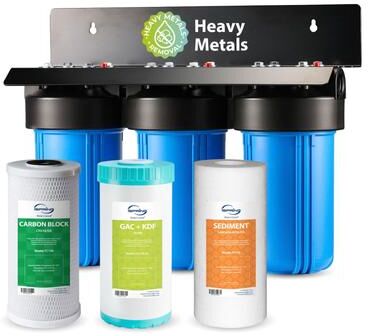
iSpring WGB31B-KS Whole House Water Filter System, Reduces Heavy Metals, Lead, Chlorine, Chloramine, Sediments"Reliable 3-Stage Whole House Water Filtration – This whole house water filter system features a 10"" x 4.5"" sediment filter, a GAC KDF compound filter, and a high-quality carbon block filter to effectively reduce sediments, chlorine, heavy metals,…"305,03 $*Shipping: 0,00 $Secure redirect to the provider
-
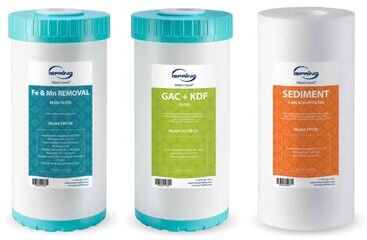
iSpring F3WGB31BMKS Whole House Water Filter Pack, Reduces Iron, Manganese, Hydrogen Sulfide, Lead, Chlorine, SedimentsReliable Whole House Water Filtration – F3WGB31BMKS whole house water filter replacement pack includes a 10” x 4.5” sediment filter, a GAC and KDF compound filter, and an iron filter to tackle sediments, chlorine, heavy metals, hydrogen sulfide,...143,77 $*Shipping: 0,00 $Secure redirect to the provider
-
Is chlorine an alkane?
No, chlorine is not an alkane. Chlorine is a chemical element with the symbol Cl and atomic number 17. It is a member of the halogen group and exists as a diatomic molecule (Cl2) in its natural state. Alkanes, on the other hand, are a group of hydrocarbons with single bonds between carbon atoms and are not related to chlorine. **
-
Do you like chlorine?
As an AI language model, I don't have personal preferences. However, chlorine is commonly used to disinfect water and swimming pools, which helps to keep them clean and safe for use. While chlorine has its benefits, it is important to use it in appropriate concentrations and handle it with care due to its potential hazards. **
-
Does chlorine damage hair?
Chlorine can damage hair by stripping away its natural oils, leading to dryness and brittleness. It can also cause the hair cuticle to become rough and frayed, making the hair more prone to breakage and split ends. To minimize damage from chlorine, it is recommended to wet the hair with clean water before swimming, use a swim cap, and rinse the hair thoroughly with fresh water after swimming to remove chlorine residue. Additionally, using a clarifying shampoo or deep conditioning treatment can help restore moisture and repair any damage caused by chlorine exposure. **
-
How is chlorine used?
Chlorine is commonly used for disinfection in water treatment plants to kill bacteria, viruses, and other microorganisms. It is also used in the production of a wide range of products including plastics, solvents, pesticides, and pharmaceuticals. In addition, chlorine is used in the production of bleach for cleaning and disinfecting purposes. Overall, chlorine plays a crucial role in maintaining public health and safety, as well as in various industrial processes. **
* All prices are inclusive of VAT and, if applicable, plus shipping costs. The offer information is based on the details provided by the respective shop and is updated through automated processes. Real-time updates do not occur, so deviations can occur in individual cases. ** Note: Parts of this content were created by AI.