Buy escrouen.eu ?
We are moving the project
escrouen.eu .
Are you interested in purchasing the domain
escrouen.eu ?
domain@kv-gmbh.de · 0541-91531010
Buy escrouen.eu ?
What is demographic change?
Demographic change refers to the variations in the composition of a population over time. This can include changes in factors such as age, gender, ethnicity, and socioeconomic status. Demographic change is influenced by factors such as birth rates, death rates, migration patterns, and changes in life expectancy. Understanding demographic change is important for policymakers, businesses, and society as a whole to plan for future needs and challenges. **
What is a demographic system?
A demographic system refers to the structure and dynamics of a population, including its size, distribution, composition, and changes over time. It encompasses factors such as birth rates, death rates, migration patterns, and age distribution. Demographic systems are important for understanding and predicting population trends, as well as for informing policy and planning in areas such as healthcare, education, and social services. By analyzing demographic systems, researchers and policymakers can better understand the needs and challenges of different population groups and develop strategies to address them. **

Similar search terms for Demographic
Top-Angebote
Products related to Demographic:
-
Lush Living Finds Popeye The Sailor Man Brass Home Decor, Desk Art Ornament For Office, Tea Table & Car Desktop Accessories Popeye The Sailor Man Brass Home Decor, Desk Art Ornament For Office, Tea Table & Car Desktop AccessoriesAdd Character to Your Space Bring the iconic Popeye The Sailor Man Figure Brass Home Decor to your home or office. This detailed ornament makes an excellent centerpiece for your tea table or office desk. Crafted from highquality brass, it adds a...29,97 $*Shipping: 0,00 $Secure redirect to the provider
-
Uplifted Finds Artisanal Masterpiece Home Collection Curated High End Gallery Textiles & Decor b 160 Cm 62.99 In"Elevate your living environment with our Artisanal Masterpiece Home Collection. This premium selection of curated textiles and decorative accents is the ultimate designer solution for creating a ""LuxuryArchive"" or ""ModernMuseum"" atmosphere in any..."613,97 $*Shipping: 0,00 $Secure redirect to the provider


-
What does demographic change mean?
Demographic change refers to the shift in the composition of a population over time. This can include changes in factors such as age, gender, race, ethnicity, and socioeconomic status. Demographic change can have significant impacts on society, including influencing consumer behavior, workforce dynamics, and political representation. Understanding demographic change is important for policymakers, businesses, and organizations to effectively plan for the future and address the needs of a changing population. **
-
What is the demographic contribution?
The demographic contribution refers to the impact of a specific demographic group on a population or society. This can include factors such as population size, age distribution, birth rates, death rates, migration patterns, and cultural diversity. Understanding the demographic contribution of different groups is important for policymakers, businesses, and organizations to make informed decisions about resource allocation, social services, and marketing strategies. It also helps to identify potential challenges and opportunities related to population changes. **
-
What are solutions for demographic change?
Solutions for demographic change include implementing policies that support family-friendly workplaces and flexible work arrangements to encourage higher birth rates. Additionally, investing in education and training programs to support the aging population and promote workforce participation among older adults can help mitigate the effects of demographic change. Immigration policies that attract skilled workers and contribute to population growth can also be a solution for demographic change. Finally, promoting healthy lifestyles and access to healthcare can help address the challenges associated with an aging population. **
-
What is the demographic transition 2?
The demographic transition 2 refers to the second stage of the demographic transition model, which is a theory that describes the process of population growth and decline over time. In the second stage, both birth rates and death rates decline, leading to a slower rate of population growth. This stage is often associated with improvements in healthcare, sanitation, and education, which contribute to lower mortality rates and longer life expectancy. As a result, the population becomes more stable and begins to age, leading to changes in the age structure of the population. **

How can the demographic change be combated?
The demographic change can be combated through various measures such as promoting policies that support higher birth rates, implementing immigration policies to attract a younger workforce, and providing incentives for families to have more children. Additionally, investing in education and training programs to increase the participation of older workers in the labor force can help mitigate the effects of an aging population. Furthermore, encouraging technological innovation and automation can help offset labor shortages and increase productivity. Overall, a combination of policies and strategies aimed at increasing the size and productivity of the workforce can help combat the demographic change. **
What are the consequences of demographic change?
Demographic change can have a range of consequences, both positive and negative. On the positive side, a younger population can lead to a larger workforce and potential economic growth, while an aging population can create opportunities for innovation and new industries to cater to the needs of older individuals. However, demographic change can also strain social welfare systems, as an aging population may require more healthcare and pension support. Additionally, shifts in population size and composition can impact consumer markets, housing demand, and cultural dynamics within a society. Overall, understanding and preparing for demographic change is crucial for policymakers and businesses to effectively address the potential consequences. **
Top-Angebote
Products related to Demographic:
-
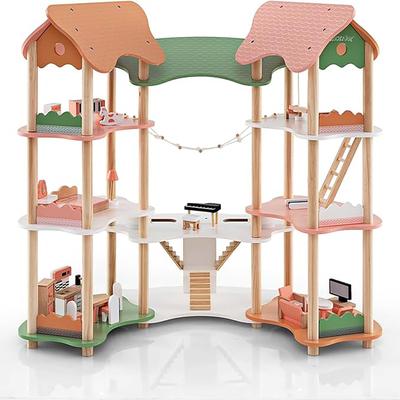
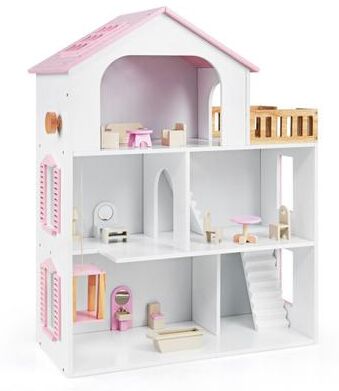
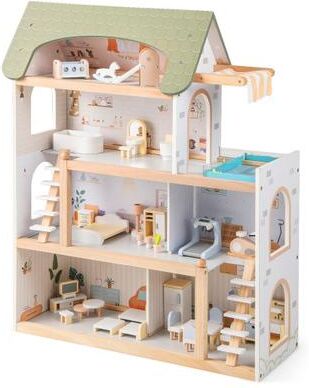
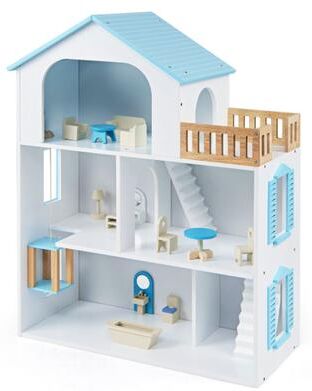
Kids Wooden Dollhouse Aged 3-8 w/ 32PCS Furniture AccessoriesGift your kids an enchanting world with our doll house! Featuring 3 tiers and 7 rooms, our doll house playset turns any nook of your child's room into a whimsical haven of delight.162,99 $*Shipping: 0,00 $Secure redirect to the provider
-
Jla Home/Furniture & Decor Faye Ginkgo Leaves Wall Art Gold , GoldThe Faye Ginkgo Wall Art decorates with a delicate look of luxury. Made of metal, this wall sculpture, by Martha Stewart, features six ginkgo leaves with a gold foil finish. Measures 43 Wx2 Dx24 H. Metal wall art by Martha Stewart Features elegant...76,99 $*Shipping: 0,00 $Secure redirect to the provider
-
Lush Living Finds Popeye The Sailor Man Brass Home Decor, Desk Art Ornament For Office, Tea Table & Car Desktop Accessories Popeye The Sailor Man Brass Home Decor, Desk Art Ornament For Office, Tea Table & Car Desktop AccessoriesAdd Character to Your Space Bring the iconic Popeye The Sailor Man Figure Brass Home Decor to your home or office. This detailed ornament makes an excellent centerpiece for your tea table or office desk. Crafted from highquality brass, it adds a...29,97 $*Shipping: 0,00 $Secure redirect to the provider
-
What is demographic change?
Demographic change refers to the variations in the composition of a population over time. This can include changes in factors such as age, gender, ethnicity, and socioeconomic status. Demographic change is influenced by factors such as birth rates, death rates, migration patterns, and changes in life expectancy. Understanding demographic change is important for policymakers, businesses, and society as a whole to plan for future needs and challenges. **
-
What is a demographic system?
A demographic system refers to the structure and dynamics of a population, including its size, distribution, composition, and changes over time. It encompasses factors such as birth rates, death rates, migration patterns, and age distribution. Demographic systems are important for understanding and predicting population trends, as well as for informing policy and planning in areas such as healthcare, education, and social services. By analyzing demographic systems, researchers and policymakers can better understand the needs and challenges of different population groups and develop strategies to address them. **
-
What does demographic change mean?
Demographic change refers to the shift in the composition of a population over time. This can include changes in factors such as age, gender, race, ethnicity, and socioeconomic status. Demographic change can have significant impacts on society, including influencing consumer behavior, workforce dynamics, and political representation. Understanding demographic change is important for policymakers, businesses, and organizations to effectively plan for the future and address the needs of a changing population. **
-
What is the demographic contribution?
The demographic contribution refers to the impact of a specific demographic group on a population or society. This can include factors such as population size, age distribution, birth rates, death rates, migration patterns, and cultural diversity. Understanding the demographic contribution of different groups is important for policymakers, businesses, and organizations to make informed decisions about resource allocation, social services, and marketing strategies. It also helps to identify potential challenges and opportunities related to population changes. **
Similar search terms for Demographic
-
Uplifted Finds Artisanal Masterpiece Home Collection Curated High End Gallery Textiles & Decor b 160 Cm 62.99 In"Elevate your living environment with our Artisanal Masterpiece Home Collection. This premium selection of curated textiles and decorative accents is the ultimate designer solution for creating a ""LuxuryArchive"" or ""ModernMuseum"" atmosphere in any..."613,97 $*Shipping: 0,00 $Secure redirect to the provider
-
What are solutions for demographic change?
Solutions for demographic change include implementing policies that support family-friendly workplaces and flexible work arrangements to encourage higher birth rates. Additionally, investing in education and training programs to support the aging population and promote workforce participation among older adults can help mitigate the effects of demographic change. Immigration policies that attract skilled workers and contribute to population growth can also be a solution for demographic change. Finally, promoting healthy lifestyles and access to healthcare can help address the challenges associated with an aging population. **
-
What is the demographic transition 2?
The demographic transition 2 refers to the second stage of the demographic transition model, which is a theory that describes the process of population growth and decline over time. In the second stage, both birth rates and death rates decline, leading to a slower rate of population growth. This stage is often associated with improvements in healthcare, sanitation, and education, which contribute to lower mortality rates and longer life expectancy. As a result, the population becomes more stable and begins to age, leading to changes in the age structure of the population. **
-
How can the demographic change be combated?
The demographic change can be combated through various measures such as promoting policies that support higher birth rates, implementing immigration policies to attract a younger workforce, and providing incentives for families to have more children. Additionally, investing in education and training programs to increase the participation of older workers in the labor force can help mitigate the effects of an aging population. Furthermore, encouraging technological innovation and automation can help offset labor shortages and increase productivity. Overall, a combination of policies and strategies aimed at increasing the size and productivity of the workforce can help combat the demographic change. **
-
What are the consequences of demographic change?
Demographic change can have a range of consequences, both positive and negative. On the positive side, a younger population can lead to a larger workforce and potential economic growth, while an aging population can create opportunities for innovation and new industries to cater to the needs of older individuals. However, demographic change can also strain social welfare systems, as an aging population may require more healthcare and pension support. Additionally, shifts in population size and composition can impact consumer markets, housing demand, and cultural dynamics within a society. Overall, understanding and preparing for demographic change is crucial for policymakers and businesses to effectively address the potential consequences. **
* All prices are inclusive of VAT and, if applicable, plus shipping costs. The offer information is based on the details provided by the respective shop and is updated through automated processes. Real-time updates do not occur, so deviations can occur in individual cases. ** Note: Parts of this content were created by AI.