Buy escrouen.eu ?
We are moving the project
escrouen.eu .
Are you interested in purchasing the domain
escrouen.eu ?
domain@kv-gmbh.de · 0541-91531010
Buy escrouen.eu ?
When is the imparfait used?
The imparfait is used in French to describe ongoing or repeated actions in the past, to set the scene or provide background information, to express habitual actions in the past, and to describe physical and emotional states in the past. It is often used in conjunction with the passé composé to provide a more complete picture of past events. The imparfait is also commonly used in storytelling and narration. **
What is the story in French imparfait?
The French imparfait is used to describe ongoing or habitual actions in the past. It sets the scene, describes the background, or provides context for a specific event or action in the past. It is often used to talk about childhood memories, past habits, or to describe a situation or state of being in the past. The imparfait is formed by taking the present tense nous form of the verb, dropping the -ons ending, and adding the imparfait endings (-ais, -ais, -ait, -ions, -iez, -aient). **


Similar search terms for Imparfait
Top-Angebote
Products related to Imparfait:
-
Lush Living Finds Popeye The Sailor Man Brass Home Decor, Desk Art Ornament For Office, Tea Table & Car Desktop Accessories Popeye The Sailor Man Brass Home Decor, Desk Art Ornament For Office, Tea Table & Car Desktop AccessoriesAdd Character to Your Space Bring the iconic Popeye The Sailor Man Figure Brass Home Decor to your home or office. This detailed ornament makes an excellent centerpiece for your tea table or office desk. Crafted from highquality brass, it adds a...29,97 $*Shipping: 0,00 $Secure redirect to the provider
-
Uplifted Finds Artisanal Masterpiece Home Collection Curated High End Gallery Textiles & Decor a 200 Cm 78.74 In"Elevate your living environment with our Artisanal Masterpiece Home Collection. This premium selection of curated textiles and decorative accents is the ultimate designer solution for creating a ""LuxuryArchive"" or ""ModernMuseum"" atmosphere in any..."853,97 $*Shipping: 0,00 $Secure redirect to the provider




-
What is the difference between Imparfait and passé Composé?
The main difference between Imparfait and passé Composé is the way they are used to describe actions in the past. Imparfait is used to describe ongoing or repeated actions in the past, while passé Composé is used to describe specific actions that were completed in the past. Additionally, Imparfait is often used to set the scene or provide background information, while passé Composé is used to highlight the main events or actions. In terms of formation, Imparfait is formed by using the present tense of the verb as a base and adding specific endings, while passé Composé is formed by using the auxiliary verb "avoir" or "être" with the past participle of the main verb. **
-
What are the irregular verbs in the imparfait tense?
In the imparfait tense, irregular verbs include être (to be), avoir (to have), savoir (to know), vouloir (to want), pouvoir (to be able to), and aller (to go). These verbs have unique conjugations in the imparfait tense and do not follow the regular pattern of regular -er, -ir, or -re verbs. It is important to memorize the irregular conjugations of these verbs to use them correctly in the imparfait tense. **
-
What is the difference between Imparfait and Conditionnel présent?
The Imparfait is used to describe ongoing or repeated actions in the past, while the Conditionnel présent is used to express hypothetical or uncertain actions in the present or future. The Imparfait is used to set the scene or provide background information, while the Conditionnel présent is used to express a condition or consequence. Additionally, the Imparfait is formed by adding specific endings to the root of the verb, while the Conditionnel présent is formed by adding specific endings to the infinitive form of the verb. **
-
How do you translate the French imparfait into German?
To translate the French imparfait into German, you can use the German simple past tense (Präteritum) or the present perfect tense (Perfekt). The choice between the two depends on the context and the specific meaning you want to convey. The simple past tense is more commonly used in written German, while the present perfect tense is more common in spoken German. It's important to pay attention to the verb conjugations and the nuances of each tense to accurately convey the meaning of the imparfait in German. **

Can someone help me with the imparfait and passé composé?
Yes, I can help you with the imparfait and passé composé. The imparfait is used to describe ongoing or repeated actions in the past, while the passé composé is used to describe completed actions in the past. Understanding when to use each tense depends on the context of the sentence and the specific action being described. If you have specific examples or questions, feel free to ask for clarification. **
What do I have to use, imparfait or passé composé?
You have to use the imparfait tense when describing ongoing or repeated actions in the past, setting the scene, or expressing habitual actions. On the other hand, you have to use the passé composé tense when talking about completed actions in the past, specific events that occurred at a particular moment, or actions that happened in a sequence. It is important to choose the correct tense based on the context and the meaning you want to convey in your sentence. **
Top-Angebote
Products related to Imparfait:
-
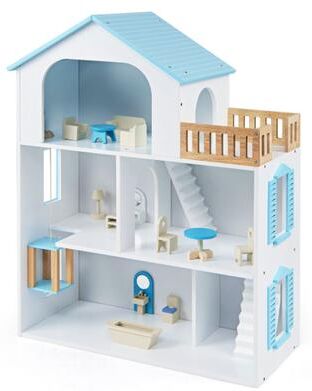
Kids Wooden Dollhouse Aged 3-8 w/ 32PCS Furniture AccessoriesGift your kids an enchanting world with our doll house! Featuring 3 tiers and 7 rooms, our doll house playset turns any nook of your child's room into a whimsical haven of delight.162,99 $*Shipping: 0,00 $Secure redirect to the provider
-
Jla Home/Furniture & Decor Faye Ginkgo Leaves Wall Art Gold , GoldThe Faye Ginkgo Wall Art decorates with a delicate look of luxury. Made of metal, this wall sculpture, by Martha Stewart, features six ginkgo leaves with a gold foil finish. Measures 43 Wx2 Dx24 H. Metal wall art by Martha Stewart Features elegant...76,99 $*Shipping: 0,00 $Secure redirect to the provider
-
Lush Living Finds Popeye The Sailor Man Brass Home Decor, Desk Art Ornament For Office, Tea Table & Car Desktop Accessories Popeye The Sailor Man Brass Home Decor, Desk Art Ornament For Office, Tea Table & Car Desktop AccessoriesAdd Character to Your Space Bring the iconic Popeye The Sailor Man Figure Brass Home Decor to your home or office. This detailed ornament makes an excellent centerpiece for your tea table or office desk. Crafted from highquality brass, it adds a...29,97 $*Shipping: 0,00 $Secure redirect to the provider
-
When is the imparfait used?
The imparfait is used in French to describe ongoing or repeated actions in the past, to set the scene or provide background information, to express habitual actions in the past, and to describe physical and emotional states in the past. It is often used in conjunction with the passé composé to provide a more complete picture of past events. The imparfait is also commonly used in storytelling and narration. **
-
What is the story in French imparfait?
The French imparfait is used to describe ongoing or habitual actions in the past. It sets the scene, describes the background, or provides context for a specific event or action in the past. It is often used to talk about childhood memories, past habits, or to describe a situation or state of being in the past. The imparfait is formed by taking the present tense nous form of the verb, dropping the -ons ending, and adding the imparfait endings (-ais, -ais, -ait, -ions, -iez, -aient). **
-
What is the difference between Imparfait and passé Composé?
The main difference between Imparfait and passé Composé is the way they are used to describe actions in the past. Imparfait is used to describe ongoing or repeated actions in the past, while passé Composé is used to describe specific actions that were completed in the past. Additionally, Imparfait is often used to set the scene or provide background information, while passé Composé is used to highlight the main events or actions. In terms of formation, Imparfait is formed by using the present tense of the verb as a base and adding specific endings, while passé Composé is formed by using the auxiliary verb "avoir" or "être" with the past participle of the main verb. **
-
What are the irregular verbs in the imparfait tense?
In the imparfait tense, irregular verbs include être (to be), avoir (to have), savoir (to know), vouloir (to want), pouvoir (to be able to), and aller (to go). These verbs have unique conjugations in the imparfait tense and do not follow the regular pattern of regular -er, -ir, or -re verbs. It is important to memorize the irregular conjugations of these verbs to use them correctly in the imparfait tense. **
Similar search terms for Imparfait
-
Uplifted Finds Artisanal Masterpiece Home Collection Curated High End Gallery Textiles & Decor a 200 Cm 78.74 In"Elevate your living environment with our Artisanal Masterpiece Home Collection. This premium selection of curated textiles and decorative accents is the ultimate designer solution for creating a ""LuxuryArchive"" or ""ModernMuseum"" atmosphere in any..."853,97 $*Shipping: 0,00 $Secure redirect to the provider
-
What is the difference between Imparfait and Conditionnel présent?
The Imparfait is used to describe ongoing or repeated actions in the past, while the Conditionnel présent is used to express hypothetical or uncertain actions in the present or future. The Imparfait is used to set the scene or provide background information, while the Conditionnel présent is used to express a condition or consequence. Additionally, the Imparfait is formed by adding specific endings to the root of the verb, while the Conditionnel présent is formed by adding specific endings to the infinitive form of the verb. **
-
How do you translate the French imparfait into German?
To translate the French imparfait into German, you can use the German simple past tense (Präteritum) or the present perfect tense (Perfekt). The choice between the two depends on the context and the specific meaning you want to convey. The simple past tense is more commonly used in written German, while the present perfect tense is more common in spoken German. It's important to pay attention to the verb conjugations and the nuances of each tense to accurately convey the meaning of the imparfait in German. **
-
Can someone help me with the imparfait and passé composé?
Yes, I can help you with the imparfait and passé composé. The imparfait is used to describe ongoing or repeated actions in the past, while the passé composé is used to describe completed actions in the past. Understanding when to use each tense depends on the context of the sentence and the specific action being described. If you have specific examples or questions, feel free to ask for clarification. **
-
What do I have to use, imparfait or passé composé?
You have to use the imparfait tense when describing ongoing or repeated actions in the past, setting the scene, or expressing habitual actions. On the other hand, you have to use the passé composé tense when talking about completed actions in the past, specific events that occurred at a particular moment, or actions that happened in a sequence. It is important to choose the correct tense based on the context and the meaning you want to convey in your sentence. **
* All prices are inclusive of VAT and, if applicable, plus shipping costs. The offer information is based on the details provided by the respective shop and is updated through automated processes. Real-time updates do not occur, so deviations can occur in individual cases. ** Note: Parts of this content were created by AI.