Buy escrouen.eu ?
We are moving the project
escrouen.eu .
Are you interested in purchasing the domain
escrouen.eu ?
domain@kv-gmbh.de · 0541-91531010
Buy escrouen.eu ?
Is the word Chef or Direktor a loanword?
The word "Chef" is a loanword, as it comes from the French language where it means "chief" or "boss." It has been borrowed into English to refer to the head cook or executive chef in a kitchen. On the other hand, "Direktor" is not a loanword, as it is a German word that means "director" or "manager." Loanwords are words borrowed from another language and incorporated into the vocabulary of another language, while "Direktor" is a native German word. **
What is the difference between loanword and loan meaning?
A loanword is a word taken from one language and used in another language with little to no translation, while a loan meaning is when a word in one language adopts a new meaning from another language. Loanwords retain their original form, while loan meanings involve a shift in the meaning of a word. Both loanwords and loan meanings contribute to the enrichment and evolution of languages through cultural exchange and borrowing. **
Similar search terms for Loanword
Top-Angebote
Products related to Loanword:
-
Lush Living Finds Popeye The Sailor Man Brass Home Decor, Desk Art Ornament For Office, Tea Table & Car Desktop Accessories Popeye The Sailor Man Brass Home Decor, Desk Art Ornament For Office, Tea Table & Car Desktop AccessoriesAdd Character to Your Space Bring the iconic Popeye The Sailor Man Figure Brass Home Decor to your home or office. This detailed ornament makes an excellent centerpiece for your tea table or office desk. Crafted from highquality brass, it adds a...29,97 $*Shipping: 0,00 $Secure redirect to the provider
-
Jla Home/Furniture & Decor Faye Ginkgo Leaves Wall Art Gold , GoldThe Faye Ginkgo Wall Art decorates with a delicate look of luxury. Made of metal, this wall sculpture, by Martha Stewart, features six ginkgo leaves with a gold foil finish. Measures 43 Wx2 Dx24 H. Metal wall art by Martha Stewart Features elegant...76,99 $*Shipping: 0,00 $Secure redirect to the provider




-
What is a loanword and what is a long vowel?
A loanword is a word adopted from one language and incorporated into another language without translation. Loanwords often retain their original spelling and pronunciation. On the other hand, a long vowel is a vowel sound that is pronounced for an extended period of time compared to a short vowel. In English, long vowels are typically represented by a single vowel letter followed by a silent 'e' at the end of a word, such as in the word "cake." **
-
What is the difference between a foreign word and a loanword?
A foreign word is a word that comes from another language and is used in its original form without any adaptation or integration into the receiving language. A loanword, on the other hand, is a word that has been borrowed from another language and has been integrated into the receiving language, often with some modifications to fit the phonological, morphological, or syntactic patterns of the receiving language. In other words, a loanword is a foreign word that has been assimilated into the vocabulary of the receiving language. **
-
What is the difference between a loanword and a technical term?
A loanword is a word that has been borrowed from one language and incorporated into another language, often with some adaptation to fit the phonological and morphological patterns of the borrowing language. Loanwords often retain their original meaning and may be used in a variety of contexts. On the other hand, a technical term is a word or phrase that has a specific meaning within a particular field or discipline, such as science, technology, or medicine. Technical terms are often used to convey precise and specialized information within a specific context, and may not be widely understood outside of that context. While loanwords can come from any language and be used in a variety of contexts, technical terms are specific to certain fields and are used to convey specialized meanings within those fields. **
-
Does the word "Delusion" exist as a German loanword or only "Illusion"?
The word "Delusion" does exist as a German loanword, but it is not as commonly used as "Illusion." "Delusion" in German is "Täuschung," which can also be translated as "deception" or "misconception." While "Illusion" is more commonly used in both English and German, "Delusion" is still recognized as a loanword in the German language. **

What is the difference between a loanword, a foreign word, and a native word?
A loanword is a word taken from one language and used in another language with little to no translation. A foreign word is a word that originates from a different language but has been fully integrated into the vocabulary of the borrowing language. A native word is a word that is original to and commonly used in the language in which it is spoken. The key difference lies in the origin and level of integration of these words into the borrowing language. **
Does the Duden indicate whether a word is colloquial or a loanword or technical term?
Yes, the Duden does indicate whether a word is colloquial, a loanword, or a technical term. Each entry in the Duden dictionary includes information about the word's usage, including whether it is considered colloquial (informal language used in everyday conversation), a loanword (borrowed from another language), or a technical term (specific to a particular field or profession). This information helps users understand the context in which the word is typically used. **
Top-Angebote
Products related to Loanword:
-
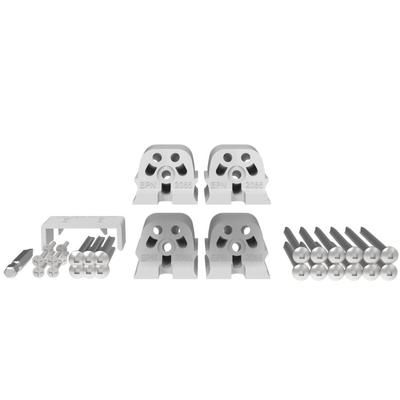
RDI Outdoor Lighting Accessories Transform 4 BracketsThe RDI Outdoor Lighting Accessories completes the Outdoor Lighting options with the necessary parts. Use the LED wiring to connect RDI Low voltage lights and lighted post caps. For help adding light to your LED lighting system use a 2-way or 5-way...26,19 $*Shipping: 0,00 $Secure redirect to the provider
-
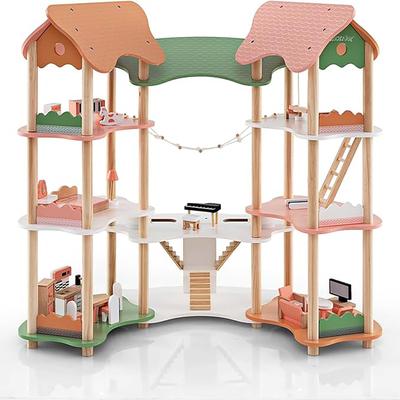
Kids Wooden Dollhouse Aged 3-8 w/ 32PCS Furniture AccessoriesGift your kids an enchanting world with our doll house! Featuring 3 tiers and 7 rooms, our doll house playset turns any nook of your child's room into a whimsical haven of delight.162,99 $*Shipping: 0,00 $Secure redirect to the provider
-
Lush Living Finds Popeye The Sailor Man Brass Home Decor, Desk Art Ornament For Office, Tea Table & Car Desktop Accessories Popeye The Sailor Man Brass Home Decor, Desk Art Ornament For Office, Tea Table & Car Desktop AccessoriesAdd Character to Your Space Bring the iconic Popeye The Sailor Man Figure Brass Home Decor to your home or office. This detailed ornament makes an excellent centerpiece for your tea table or office desk. Crafted from highquality brass, it adds a...29,97 $*Shipping: 0,00 $Secure redirect to the provider
-
Jla Home/Furniture & Decor Faye Ginkgo Leaves Wall Art Gold , GoldThe Faye Ginkgo Wall Art decorates with a delicate look of luxury. Made of metal, this wall sculpture, by Martha Stewart, features six ginkgo leaves with a gold foil finish. Measures 43 Wx2 Dx24 H. Metal wall art by Martha Stewart Features elegant...76,99 $*Shipping: 0,00 $Secure redirect to the provider
-
Is the word Chef or Direktor a loanword?
The word "Chef" is a loanword, as it comes from the French language where it means "chief" or "boss." It has been borrowed into English to refer to the head cook or executive chef in a kitchen. On the other hand, "Direktor" is not a loanword, as it is a German word that means "director" or "manager." Loanwords are words borrowed from another language and incorporated into the vocabulary of another language, while "Direktor" is a native German word. **
-
What is the difference between loanword and loan meaning?
A loanword is a word taken from one language and used in another language with little to no translation, while a loan meaning is when a word in one language adopts a new meaning from another language. Loanwords retain their original form, while loan meanings involve a shift in the meaning of a word. Both loanwords and loan meanings contribute to the enrichment and evolution of languages through cultural exchange and borrowing. **
-
What is a loanword and what is a long vowel?
A loanword is a word adopted from one language and incorporated into another language without translation. Loanwords often retain their original spelling and pronunciation. On the other hand, a long vowel is a vowel sound that is pronounced for an extended period of time compared to a short vowel. In English, long vowels are typically represented by a single vowel letter followed by a silent 'e' at the end of a word, such as in the word "cake." **
-
What is the difference between a foreign word and a loanword?
A foreign word is a word that comes from another language and is used in its original form without any adaptation or integration into the receiving language. A loanword, on the other hand, is a word that has been borrowed from another language and has been integrated into the receiving language, often with some modifications to fit the phonological, morphological, or syntactic patterns of the receiving language. In other words, a loanword is a foreign word that has been assimilated into the vocabulary of the receiving language. **
Similar search terms for Loanword
-
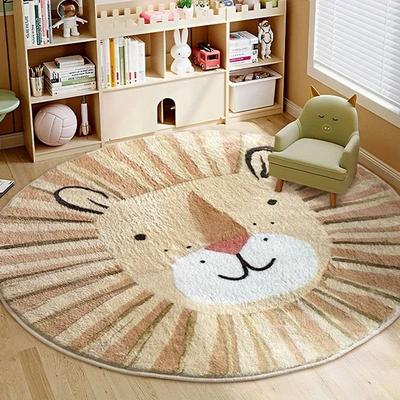
Uplifted Finds Artisanal Masterpiece Home Collection Curated High End Gallery Textiles & Decor a 180 Cm 70.87 In"Elevate your living environment with our Artisanal Masterpiece Home Collection. This premium selection of curated textiles and decorative accents is the ultimate designer solution for creating a ""LuxuryArchive"" or ""ModernMuseum"" atmosphere in any..."707,97 $*Shipping: 0,00 $Secure redirect to the provider
-
What is the difference between a loanword and a technical term?
A loanword is a word that has been borrowed from one language and incorporated into another language, often with some adaptation to fit the phonological and morphological patterns of the borrowing language. Loanwords often retain their original meaning and may be used in a variety of contexts. On the other hand, a technical term is a word or phrase that has a specific meaning within a particular field or discipline, such as science, technology, or medicine. Technical terms are often used to convey precise and specialized information within a specific context, and may not be widely understood outside of that context. While loanwords can come from any language and be used in a variety of contexts, technical terms are specific to certain fields and are used to convey specialized meanings within those fields. **
-
Does the word "Delusion" exist as a German loanword or only "Illusion"?
The word "Delusion" does exist as a German loanword, but it is not as commonly used as "Illusion." "Delusion" in German is "Täuschung," which can also be translated as "deception" or "misconception." While "Illusion" is more commonly used in both English and German, "Delusion" is still recognized as a loanword in the German language. **
-
What is the difference between a loanword, a foreign word, and a native word?
A loanword is a word taken from one language and used in another language with little to no translation. A foreign word is a word that originates from a different language but has been fully integrated into the vocabulary of the borrowing language. A native word is a word that is original to and commonly used in the language in which it is spoken. The key difference lies in the origin and level of integration of these words into the borrowing language. **
-
Does the Duden indicate whether a word is colloquial or a loanword or technical term?
Yes, the Duden does indicate whether a word is colloquial, a loanword, or a technical term. Each entry in the Duden dictionary includes information about the word's usage, including whether it is considered colloquial (informal language used in everyday conversation), a loanword (borrowed from another language), or a technical term (specific to a particular field or profession). This information helps users understand the context in which the word is typically used. **
* All prices are inclusive of VAT and, if applicable, plus shipping costs. The offer information is based on the details provided by the respective shop and is updated through automated processes. Real-time updates do not occur, so deviations can occur in individual cases. ** Note: Parts of this content were created by AI.