Buy escrouen.eu ?
We are moving the project
escrouen.eu .
Are you interested in purchasing the domain
escrouen.eu ?
domain@kv-gmbh.de · 0541-91531010
Buy escrouen.eu ?
Among which thermal pads is thermal paste used?
Thermal paste is typically used between the CPU and the heatsink to improve heat transfer. It is not used with thermal pads, as thermal pads are pre-applied or placed between components where a more solid interface is needed. Thermal paste is a better choice for areas where there are small gaps or uneven surfaces that need to be filled for optimal heat dissipation. **
Should one use a thermal pad instead of thermal paste?
Whether to use a thermal pad or thermal paste depends on the specific application and personal preference. Thermal pads are convenient and easy to use, making them a good choice for beginners or for situations where precision application is difficult. However, thermal paste generally provides better thermal conductivity and is often preferred for high-performance applications such as gaming PCs or overclocking. Ultimately, the decision should be based on the specific requirements of the hardware and the user's level of expertise. **


Similar search terms for Thermal
Top-Angebote
Products related to Thermal:
-
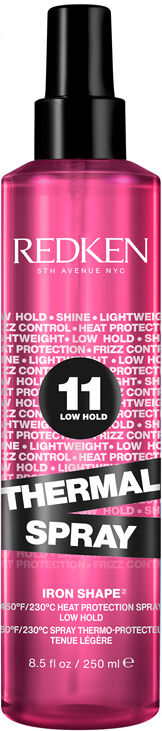
Redken Thermal Spray 250mlRedken Thermal Spray protects and repairs hair from thermal damage. Key Benefits: Heat protection 230°C 24 hour frizz protection Increased shine Bottle made from recycled plastic (excluding pump and cap) With a lightweight formula, this heat protector protects hair from up to 230°C and is suitable for all hair types. Frizz is reduced and hair is left with a glossy shine for that salon-fresh finish from root to tip. Formulated with Redken’s Heat Re-Style technology, this protecting mist can be applied once and still allow for endless re-styling throughout the day. Ingredients: Aqua / water • Isobutane • Propylene Glycol • Sodium Polystyrene Sulfonate • Carbomer • Triethanolamine • Phenoxyethanol • Peg-40 Hydrogenated castor oil • Parfum / fragrance • Peg-60 Almond Glycerides • Polysorbate 20 • Cocamidopropyl Betaine • Benzophenone-4 • Glyceryl Laurate • Sodium Chloride • Hydroxypropyltrimonium Hydrolyzed Wheat Protein • Glycerin • Alpha-isomethyl Ionone • Xylose • Linalool • Hydroxycitronellal • Hexyl Cinnamal • Citronellol • Sodium Benzoate • Geraniol • Limonene • Benzyl Alcohol • Isoeugenol20,40 £*Shipping: 0,00 £Secure redirect to the provider



-
What is the difference between thermal energy and thermal power?
Thermal energy refers to the internal energy present in a system due to the motion and interaction of its particles. It is a measure of the total kinetic and potential energy of the particles in a substance. On the other hand, thermal power refers to the rate at which thermal energy is transferred or converted into other forms of energy, such as mechanical or electrical energy. It is a measure of the amount of thermal energy transferred per unit of time. In summary, thermal energy is the total energy present in a system, while thermal power is the rate at which thermal energy is transferred or converted. **
-
What is the difference between convection, thermal radiation, and thermal conduction?
Convection is the transfer of heat through the movement of fluids (liquids or gases) due to differences in temperature. Thermal radiation is the transfer of heat in the form of electromagnetic waves, such as infrared radiation, without the need for a medium. Thermal conduction is the transfer of heat through a material without any movement of the material itself, as heat is transferred through direct contact between molecules. Each of these processes plays a role in how heat is transferred in different scenarios. **
-
Are thermal leggings recommended?
Yes, thermal leggings are recommended for cold weather activities such as skiing, snowboarding, hiking, or simply staying warm during the winter months. They are designed to provide extra insulation and warmth, making them a great choice for outdoor activities in chilly temperatures. Additionally, thermal leggings are often made with moisture-wicking materials to keep you dry and comfortable during physical activities. **
-
What is thermal embrittlement?
Thermal embrittlement is a phenomenon in which a material becomes more brittle and prone to fracture as a result of prolonged exposure to high temperatures. This can occur in metals, polymers, and other materials, and is often caused by the diffusion of atoms or molecules within the material, leading to changes in its microstructure and mechanical properties. Thermal embrittlement can compromise the structural integrity of a material, making it more susceptible to failure under mechanical stress. It is important to consider the potential for thermal embrittlement when designing and using materials in high-temperature environments. **


What is thermal radiation?
Thermal radiation is a form of electromagnetic radiation emitted by an object due to its temperature. It is a type of heat transfer that does not require a medium, such as air or water, to travel through. All objects with a temperature above absolute zero emit thermal radiation, with the amount and wavelength of radiation depending on the temperature of the object. Thermal radiation plays a crucial role in the transfer of heat energy and is responsible for the warmth we feel from the sun and other heated objects. **
What is thermal underwear?
Thermal underwear is a type of clothing worn under regular clothes to provide extra warmth in cold weather. It is typically made from materials that are designed to trap body heat close to the skin, such as polyester or merino wool. Thermal underwear is often worn during outdoor activities like skiing, snowboarding, or hiking to help regulate body temperature and keep the wearer comfortable in cold conditions. **
Top-Angebote
Products related to Thermal:
-
Uriage Bébé 1st Thermal Water thermal water for children 150 mlUriage Bébé 1st Thermal Water, 150 ml, Kids’ Body Care For Kids, If you want to refresh, soothe and hydrate your skin simply and effectively, the Uriage Bébé 1st Thermal Water thermal water is the right choice. It comes from thermal springs rich in minerals and trace elements, meaning its composition therefore has a beneficial effect on the skin. It alleviates irritation, brings relief to sensitive skin and also strengthens the skin’s natural barrier, which in turn prevents unwanted moisture loss and helps maintain the skin’s ideal moisture levels. Characteristics: soothes irritation moisturises and softens refreshes tired skin strengthens the skin barrier Ingredients: dermatologically tested How to use: Spray onto sensitive areas of the face and skin and allow to work for a little while. It can be used not only on the face, but also on the skin of the entire body. Use as needed at any time during the day.6,40 £*Shipping: 3,99 £Secure redirect to the provider
-
Zebra ZT400 Series ZT411 - label printer - B/W - direct thermal / thermal transferZebra ZT400 Series ZT411 - Label printer - direct thermal / thermal transfer - Roll (11.4 cm) - 203 dpi - up to 356 mm/sec - USB 2.0, LAN, serial, USB host, Bluetooth 4.11650,99 £*Shipping: 0,00 £Secure redirect to the provider
-
Redken Thermal Spray 250mlRedken Thermal Spray protects and repairs hair from thermal damage. Key Benefits: Heat protection 230°C 24 hour frizz protection Increased shine Bottle made from recycled plastic (excluding pump and cap) With a lightweight formula, this heat protector protects hair from up to 230°C and is suitable for all hair types. Frizz is reduced and hair is left with a glossy shine for that salon-fresh finish from root to tip. Formulated with Redken’s Heat Re-Style technology, this protecting mist can be applied once and still allow for endless re-styling throughout the day. Ingredients: Aqua / water • Isobutane • Propylene Glycol • Sodium Polystyrene Sulfonate • Carbomer • Triethanolamine • Phenoxyethanol • Peg-40 Hydrogenated castor oil • Parfum / fragrance • Peg-60 Almond Glycerides • Polysorbate 20 • Cocamidopropyl Betaine • Benzophenone-4 • Glyceryl Laurate • Sodium Chloride • Hydroxypropyltrimonium Hydrolyzed Wheat Protein • Glycerin • Alpha-isomethyl Ionone • Xylose • Linalool • Hydroxycitronellal • Hexyl Cinnamal • Citronellol • Sodium Benzoate • Geraniol • Limonene • Benzyl Alcohol • Isoeugenol20,40 £*Shipping: 0,00 £Secure redirect to the provider
-
Among which thermal pads is thermal paste used?
Thermal paste is typically used between the CPU and the heatsink to improve heat transfer. It is not used with thermal pads, as thermal pads are pre-applied or placed between components where a more solid interface is needed. Thermal paste is a better choice for areas where there are small gaps or uneven surfaces that need to be filled for optimal heat dissipation. **
-
Should one use a thermal pad instead of thermal paste?
Whether to use a thermal pad or thermal paste depends on the specific application and personal preference. Thermal pads are convenient and easy to use, making them a good choice for beginners or for situations where precision application is difficult. However, thermal paste generally provides better thermal conductivity and is often preferred for high-performance applications such as gaming PCs or overclocking. Ultimately, the decision should be based on the specific requirements of the hardware and the user's level of expertise. **
-
What is the difference between thermal energy and thermal power?
Thermal energy refers to the internal energy present in a system due to the motion and interaction of its particles. It is a measure of the total kinetic and potential energy of the particles in a substance. On the other hand, thermal power refers to the rate at which thermal energy is transferred or converted into other forms of energy, such as mechanical or electrical energy. It is a measure of the amount of thermal energy transferred per unit of time. In summary, thermal energy is the total energy present in a system, while thermal power is the rate at which thermal energy is transferred or converted. **
-
What is the difference between convection, thermal radiation, and thermal conduction?
Convection is the transfer of heat through the movement of fluids (liquids or gases) due to differences in temperature. Thermal radiation is the transfer of heat in the form of electromagnetic waves, such as infrared radiation, without the need for a medium. Thermal conduction is the transfer of heat through a material without any movement of the material itself, as heat is transferred through direct contact between molecules. Each of these processes plays a role in how heat is transferred in different scenarios. **
Similar search terms for Thermal
-
Are thermal leggings recommended?
Yes, thermal leggings are recommended for cold weather activities such as skiing, snowboarding, hiking, or simply staying warm during the winter months. They are designed to provide extra insulation and warmth, making them a great choice for outdoor activities in chilly temperatures. Additionally, thermal leggings are often made with moisture-wicking materials to keep you dry and comfortable during physical activities. **
-
What is thermal embrittlement?
Thermal embrittlement is a phenomenon in which a material becomes more brittle and prone to fracture as a result of prolonged exposure to high temperatures. This can occur in metals, polymers, and other materials, and is often caused by the diffusion of atoms or molecules within the material, leading to changes in its microstructure and mechanical properties. Thermal embrittlement can compromise the structural integrity of a material, making it more susceptible to failure under mechanical stress. It is important to consider the potential for thermal embrittlement when designing and using materials in high-temperature environments. **
-
What is thermal radiation?
Thermal radiation is a form of electromagnetic radiation emitted by an object due to its temperature. It is a type of heat transfer that does not require a medium, such as air or water, to travel through. All objects with a temperature above absolute zero emit thermal radiation, with the amount and wavelength of radiation depending on the temperature of the object. Thermal radiation plays a crucial role in the transfer of heat energy and is responsible for the warmth we feel from the sun and other heated objects. **
-
What is thermal underwear?
Thermal underwear is a type of clothing worn under regular clothes to provide extra warmth in cold weather. It is typically made from materials that are designed to trap body heat close to the skin, such as polyester or merino wool. Thermal underwear is often worn during outdoor activities like skiing, snowboarding, or hiking to help regulate body temperature and keep the wearer comfortable in cold conditions. **
* All prices are inclusive of VAT and, if applicable, plus shipping costs. The offer information is based on the details provided by the respective shop and is updated through automated processes. Real-time updates do not occur, so deviations can occur in individual cases. ** Note: Parts of this content were created by AI.